increasing sales
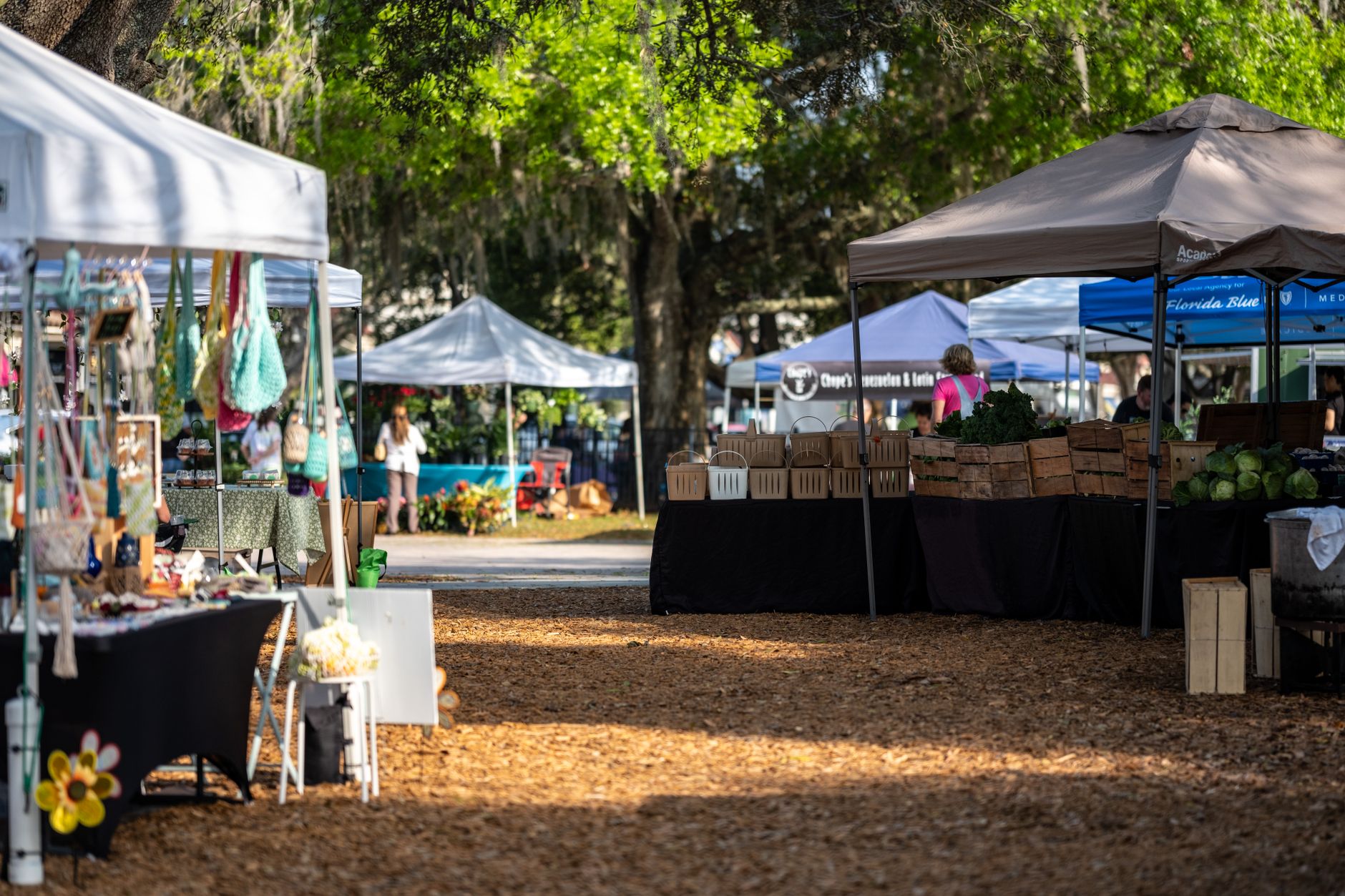
You just spent Saturday at the farmer’s market. Talked to maybe forty people. Handed out some cards. A few folks seemed genuinely interested.
By Tuesday, you can’t remember half the conversations. The business cards are somewhere. The momentum is just… gone.
Most small businesses and nonprofits treat community events like they treat networking — show up, be friendly, hope something sticks. Then wonder why nothing measurable happens afterward.
The gap isn’t effort. It’s structure.
A seed campaign is stupidly simple: you plant a small, trackable action at an event, then you nurture it through a defined sequence over the next 60-90 days.
Not a newsletter. Not “stay in touch.” A specific set of follow-ups designed to move someone from “I met you once” to “I’m a repeat customer” or “I donated again.”
Three parts:
That’s it. You’re not building a CRM empire. You’re turning real-world handshakes into something you can actually follow up on.
Nobody wants to “join your mailing list.” They want the thing you’re offering right now.
At the event, you need a reason for someone to give you their email or phone number that isn’t “so I can pitch you later.”
What works:
The key move we learned the hard way: collect the contact info and note what they were interested in. A single checkbox or dropdown that says “interested in: workshops / services / volunteering / donations” makes your follow-up ten times more relevant.
Use a tablet with a simple form. Use a paper sheet with clear columns. Doesn’t matter. Just make sure you can read it later and you captured permission to follow up.
Here’s where most people either do nothing or spam people weekly until they unsubscribe.
Better approach: three emails over ten weeks, each with one specific, easy action.
Week 1: Thank you + the thing you promised. “Here’s the guide I mentioned. Takes three minutes to read.” No ask yet.
Week 4-5: Share something useful + soft ask. “We’re doing another workshop in September — here’s what we covered last time. Reply if you want details.” Or: “Quick question: what’s the biggest challenge you’re facing with [topic]?”
Week 8-10: Clear, specific invitation. “Our fall fundraiser is October 12th. Here’s what we’re raising money for and how to join.” Or: “We have three appointment slots left in October — want one?”
The magic isn’t the emails. It’s that you decided in advance what you’re building toward. You’re not just “staying in touch.” You’re moving people toward a second interaction.
This is the part that keeps you from giving up in week six.
Pick one small number you’re trying to hit. Make it personal enough that it matters to you.
Early on, we’d anchor to something like “cover the internet bill” — if we could get enough repeat business from one event to pay one recurring expense, that was a win. Sixty bucks a month. Totally doable. Totally real.
Other good ones:
You’re not trying to 10x your revenue. You’re trying to prove the system works on a scale you can actually see and feel.
The first time you do this, your signup rate will be lower than you want. Your open rates will be mediocre. Half the people won’t respond.
Do it anyway.
Because the alternative is what you’ve been doing: showing up, being great, then letting it all evaporate.
A seed campaign that gets you four repeat customers is four more than you’d have otherwise. That’s real money. Real momentum.
And next event, you’ll be better at the capture. Your follow-up will be tighter. The metric will grow.
You don’t need software. You don’t need a marketing degree.
You need a clipboard, a simple form, and a decision about what you’re building toward.
Summer’s not over. Fair season’s still rolling. Back-to-school drives are happening right now.
Pick the next event on your calendar. Decide what you’re offering at the booth. Write three follow-up emails tonight. Set a reminder to send them.
That’s a seed campaign.
Plant it. Water it. See what grows by Halloween.
Let's have a real conversation about what's getting in the way — and how we fix it.
Schedule a call →