local seo
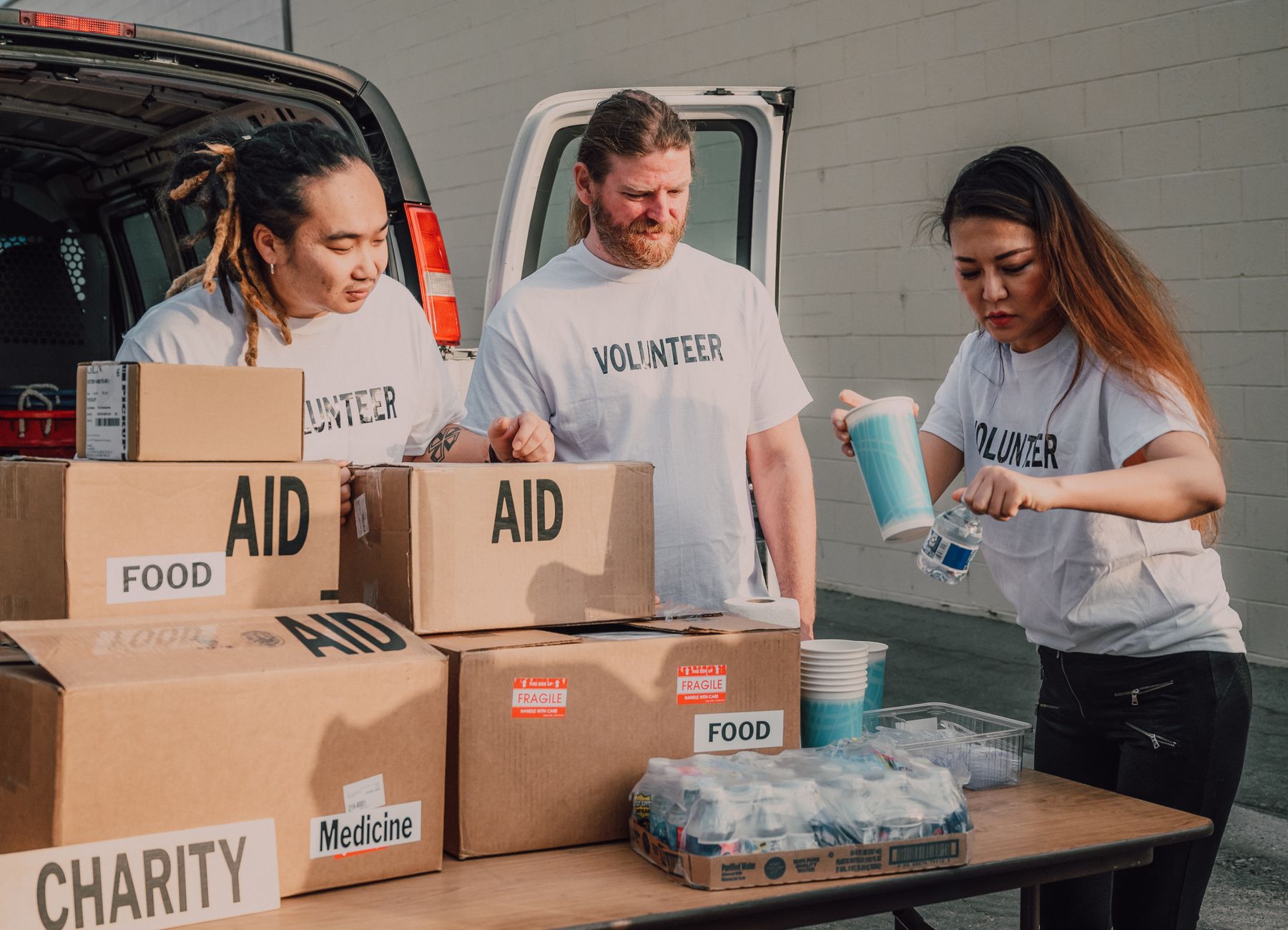
Your chamber of commerce just sent the sponsorship form. The high school wants a booth at the career fair. The food bank needs volunteers for their October drive.
You said yes because it’s the right thing to do. But you’re also wondering if three hours behind a folding table on a Saturday actually moves the needle for your business or nonprofit.
It can. But not the way most people think.
Most businesses and nonprofits treat volunteer events like they’re one-and-done. Show up, shake hands, hand out some branded pens, pack up the banner, go home.
The event ends. The visibility ends with it.
That’s leaving 90% of the value on the table.
Here’s the thing about fall volunteer days and community fairs: they’re already happening. The school district is promoting them. The local paper is covering them. People are searching for them.
That creates a small window of search traffic and social media buzz. Then it closes.
But your documentation of being there? That stays live. And if you do it right, it keeps showing up in searches long after the last folding chair gets loaded into someone’s truck.
Don’t just show up. Bring a phone with a decent camera. Assign someone—doesn’t have to be you—to take photos throughout the day.
Get wide shots of your booth or your team working. Get candid shots of people you’re helping (faces turned away or blurred if you’re being cautious about permissions). Get a few photos of your team together.
If you’re sponsoring, grab a photo of any signage with your name on it. If you’re speaking or presenting, get someone to shoot 30 seconds of video.
You’re not making a documentary. You’re collecting raw material.
This is not the time to think about content. Do the volunteer work. Have the conversations. Help the people who need help.
The marketing part happens before and after. During the event, just be present.
This is where most people stop. Don’t.
Within a week of the event, publish something. Could be:
Write it in plain language. What you did, who you helped, why it mattered. Two or three paragraphs. Not promotional—just factual and human.
Use the actual name of the event in your headline and first paragraph. “We volunteered at the Lincoln County Food Drive” beats “We gave back to our community” every single time, because real people search for the specific event name.
Google rewards businesses and nonprofits that show up in their community. Not because of some algorithmic conspiracy, but because that’s what local searchers want to see.
When someone searches for your business or nonprofit, Google is trying to answer: “Are these people legitimate? Are they part of this town?”
A website that shows you at the fall festival, the school career day, the charity 5K, and the downtown cleanup answers that question better than a page that just says “We care about our community.”
It’s proof, not claims.
And those event names? They get searched. Maybe not a ton, but enough. Someone looking for photos from the event finds your post. Someone researching local businesses before they move to town sees you’re embedded in the community. A nonprofit funder doing due diligence sees you’re active and connected.
One event post is nice. Five event posts over a year starts to look like a pattern. Ten posts over two years and you’ve built a track record that’s hard to fake.
That archive becomes an asset. It shows up in your own site search. It gives you content to link to when you’re applying for grants or partnerships. It helps new employees or board members understand what you actually do in the community.
And it costs you almost nothing. You were already going to be at the event.
One: Create a simple template. Same structure every time. Event name, date, what you did, two to three photos, one paragraph about why it mattered. Write it once, reuse the format forever.
Two: Batch the work. After three or four events, sit down for an hour and write all the posts at once. Upload all the photos. Schedule them if your website allows it. Get it off your plate in one session.
This isn’t about going to events just for the marketing. If you’re only showing up to get content, people will smell it.
This is about getting full value from the community work you’re already doing. You’re spending the time. You’re spending the money if you’re sponsoring. You’re showing up.
Document it. Publish it. Let it work for you after the event ends.
That’s not salesy. That’s just smart.
Let's have a real conversation about what's getting in the way — and how we fix it.
Schedule a call →